
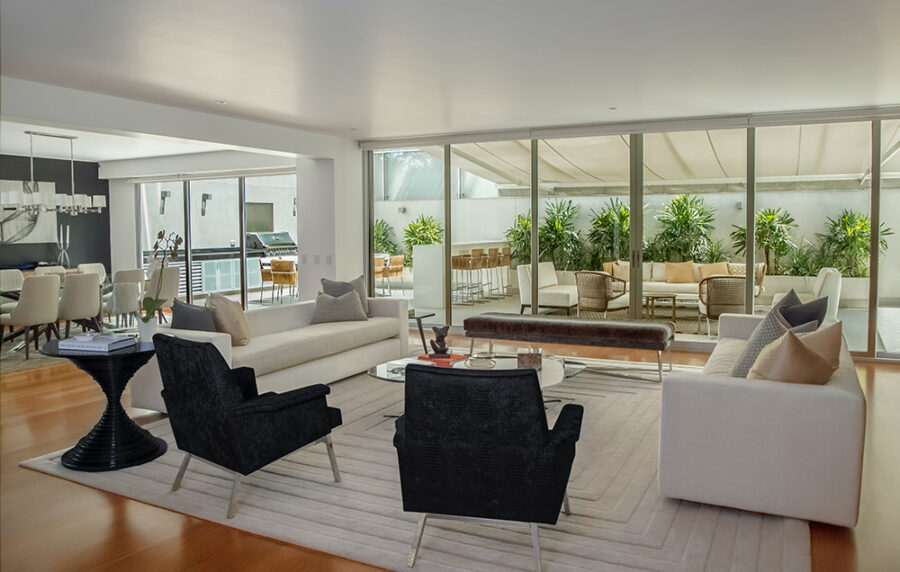

A home is much more than a physical structure; it is the centre of comfort, security and self-expression. The way you design, maintain and interact with your home has a profound impact on your lifestyle and wellbeing. Whether you are renovating, decorating or simply rethinking how you use your living space, understanding the fundamentals of what makes a home truly functional and inviting is essential. Investing in your home is one of the most rewarding decisions you can make, as it shapes your daily life and builds long-term value.
Understanding the Concept of Home
A home is not just a place where you live. It embodies your personal style, values and way of life. The design, décor and organisation of a home should align with the needs of those living within it. Beyond aesthetics, a home should provide:
-
Safety and security: Protection from external risks and peace of mind for its occupants.
-
Comfort: Spaces that feel inviting, warm and functional.
-
Identity: A reflection of personal tastes, cultural influences and lifestyle choices.
-
Flexibility: Adaptability to changing needs, whether that’s a growing family, remote working, or ageing in place.
Elements of a Comfortable Home
Functional Layout
The flow of rooms within a house significantly affects how comfortable and efficient it feels. An open-plan layout can encourage connection, while defined spaces provide privacy and order. Consider how rooms are used and how people move through them before making design decisions.
Lighting
Natural light plays a vital role in mood and energy. Maximising windows, skylights or light-reflecting décor can enhance the brightness of a home. Layered artificial lighting – task, ambient and accent – ensures functionality at all times of day.
Materials and Textures
Using natural, durable and tactile materials makes a home feel grounded. Timber, stone, wool and linen add warmth and authenticity, while quality finishes ensure longevity.
Colour Schemes
Colours influence atmosphere. Neutral palettes offer calmness and flexibility, while bolder shades bring character and vibrancy. The key is balance, ensuring that colour choices harmonise across spaces.
Designing Different Areas of the Home
Living Room
Often the social heart of a home, the living room should balance relaxation and function. Comfortable seating, versatile lighting and a focal point such as a fireplace or artwork can define the space.
Kitchen
The kitchen is both a practical workspace and a gathering place. An efficient layout such as the “work triangle” between the sink, hob and fridge enhances usability. Incorporating ample storage, durable worktops and high-quality appliances ensures longevity.
Bedrooms
A bedroom should encourage rest and privacy. Features such as blackout curtains, supportive mattresses and calming colour schemes make a significant difference to sleep quality.
Bathrooms
Bathrooms benefit from thoughtful design that combines style with utility. Walk-in showers, quality tiles and well-placed lighting enhance both comfort and hygiene.
Outdoor Spaces
Gardens, patios or balconies extend the living environment. With thoughtful planting, furniture and lighting, outdoor spaces can become sanctuaries for relaxation and socialising.
Home Organisation and Storage
Clutter disrupts the sense of calm in a home. Effective storage solutions such as built-in wardrobes, modular shelving and multipurpose furniture help maintain order. Hidden storage can make small homes feel more spacious, while open shelving allows for decorative displays.
Technology in the Modern Home
Smart technology enhances convenience, safety and efficiency. Examples include:
-
Smart lighting: Automated or voice-controlled systems.
-
Security systems: Cameras, alarms and connected locks.
-
Energy efficiency: Smart thermostats and appliances that reduce bills and environmental impact.
The Emotional Connection to Home
Beyond functionality, a home should nurture emotional wellbeing. Personal touches such as photographs, art, heirlooms and meaningful décor elements create a sense of belonging. Rituals like family meals, seasonal decorations and celebrations further strengthen the bond between people and their home.
Sustainability in Home Design
Sustainable living is increasingly important. Incorporating eco-conscious choices in the home reduces impact on the environment and can save money long-term. Examples include:
-
Insulation and double glazing to conserve energy.
-
Renewable energy sources such as solar panels.
-
Use of reclaimed or responsibly sourced materials.
-
Water-saving fixtures and appliances.
FAQs about Home
How can I make my home feel larger without extending it?
Maximise natural light, use mirrors strategically, and adopt lighter colour schemes. Multipurpose furniture and clever storage also help small spaces feel bigger.
What’s the best way to keep a home organised?
Decluttering regularly is key. Follow the rule of “one in, one out” when buying new items. Invest in storage that suits your lifestyle, whether that’s built-in cabinetry, modular furniture or concealed drawers.
How important is natural light in a home?
Natural light is essential for both mood and health. It regulates circadian rhythms, boosts productivity and enhances the overall feel of a space. Always consider window placement and reflective surfaces during design.
Should I prioritise comfort or style in home design?
Both matter, but comfort should always come first. A stylish home that lacks comfort will not serve its purpose. The ideal balance combines ergonomic furniture, cosy materials and an aesthetic that reflects personal taste.
How can I make my home more eco-friendly on a budget?
Start small by switching to LED bulbs, reducing water waste, and choosing energy-efficient appliances. Even reusing old furniture through upcycling can make a significant difference.

Comments are closed.