
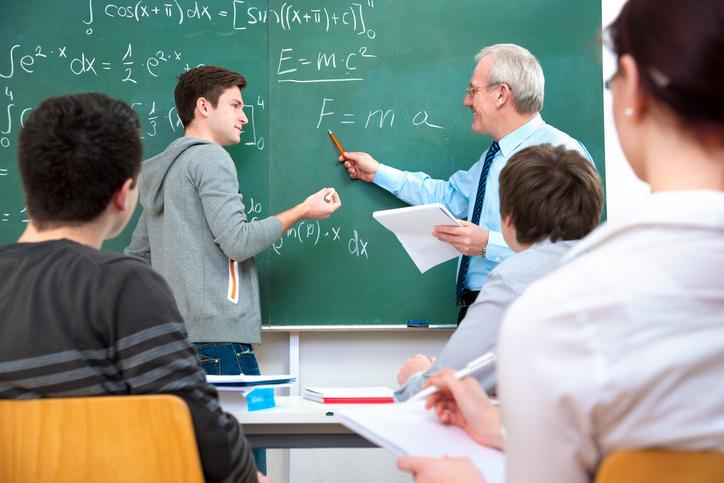

Introduction to Education
Education is more than just acquiring knowledge; it is a lifelong process that shapes individuals, communities, and entire nations. It equips people with the skills, values, and perspectives needed to navigate the complexities of life and contribute meaningfully to society. From early childhood to higher education, learning provides the foundation for personal growth, career development, and social progress. In the modern world, the importance of education has only deepened, making it not just a personal choice but a societal necessity.
In fact, education is often described as the most powerful tool for social mobility and innovation. When combined with inclusive policies and equal opportunities, it becomes a catalyst for reducing poverty and building resilient economies.
The Role of Education in Personal Development
Education plays a vital role in shaping individual character and capacity. It builds not only intellectual ability but also emotional intelligence and social responsibility.
Building Knowledge and Critical Thinking
One of the primary goals of education is to develop knowledge and critical thinking skills. Instead of simply memorising facts, learners are encouraged to analyse, evaluate, and apply concepts to real-world situations. This prepares individuals to make informed decisions and adapt to a fast-changing world.
Enhancing Emotional and Social Growth
Beyond academic skills, education also fosters emotional intelligence, empathy, and resilience. Through interaction with teachers and peers, students learn teamwork, communication, and leadership. These skills are invaluable both in personal relationships and professional environments.
Encouraging Lifelong Learning
Modern education emphasises continuous learning. With technological advancements and shifting job markets, acquiring new skills and adapting to change is essential. Lifelong learning not only enhances career opportunities but also promotes personal fulfilment.
Education as a Driver of Social Change
Education is a cornerstone of societal development, reducing inequalities and promoting social harmony.
Reducing Poverty and Inequality
Access to quality education has been proven to break the cycle of poverty. By providing individuals with better job prospects and higher income potential, education narrows social divides and creates pathways for upward mobility.
Promoting Equality and Inclusion
Inclusive education ensures that every child, regardless of gender, disability, or background, has the right to learn. This fosters fairness, empowers marginalised communities, and creates more inclusive societies.
Supporting Democracy and Civic Responsibility
An educated population is more likely to participate in democratic processes. Education instils awareness of rights, responsibilities, and the importance of civic engagement, strengthening democratic institutions.
The Impact of Technology on Education
Technology has reshaped education, expanding access and transforming the way knowledge is delivered.
Digital Classrooms and Online Learning
E-learning platforms and virtual classrooms have made education accessible to millions worldwide. Students can now access high-quality resources from anywhere, bridging geographical and economic barriers.
Personalised Learning Experiences
Artificial intelligence and adaptive learning tools personalise education by catering to individual learning speeds and styles. This improves retention and enhances student engagement.
Challenges of Digital Learning
While technology opens doors, it also presents challenges such as the digital divide. Limited internet access and lack of devices can exclude underprivileged groups, highlighting the need for inclusive digital policies.
The Importance of Teacher Development
Teachers are the backbone of education. Their role extends beyond instruction; they inspire, guide, and nurture young minds.
-
Professional training equips teachers with innovative strategies to engage students.
-
Continuous learning ensures educators stay updated with evolving curricula and teaching methods.
-
Emotional support from teachers fosters safe and motivating environments where students can thrive.
Education and Career Opportunities
In today’s knowledge-based economy, education directly influences career success.
Skill Development for the Workforce
Modern education emphasises both academic and vocational training. Skills such as problem-solving, creativity, and digital literacy are highly sought after by employers.
Higher Education and Global Opportunities
Universities and colleges prepare students for specialised careers and open doors to international opportunities. With globalisation, qualifications are increasingly transferable, allowing graduates to work across borders.
Bridging the Skills Gap
One of the biggest challenges is aligning education with industry needs. Strong partnerships between educational institutions and businesses ensure that students graduate with relevant and practical skills.
Challenges Facing Global Education
Despite its importance, education faces significant challenges worldwide.
-
Access and affordability remain barriers in many developing countries.
-
Gender disparities limit opportunities for girls and women in certain regions.
-
Quality concerns arise from underfunded schools, outdated curricula, and lack of resources.
-
Conflict and displacement disrupt education for millions of children globally.
Addressing these issues requires joint efforts from governments, NGOs, and communities.
Future of Education
The future of education is shaped by innovation, inclusivity, and adaptability.
Focus on Skills for Tomorrow
Critical thinking, digital literacy, and sustainability will be essential for future careers. Education systems must adapt to prepare students for jobs that do not yet exist.
Emphasis on Emotional Well-being
Mental health is increasingly recognised as vital to effective learning. Future education will prioritise emotional well-being alongside academic achievement.
Sustainable and Global Education
Global challenges such as climate change require a curriculum that emphasises sustainability and global citizenship. Education will empower future generations to address shared problems collectively.
FAQs on Education
What is the main purpose of education?
The main purpose of education is to equip individuals with knowledge, skills, and values that enable personal growth, social participation, and career development.
How does education influence social mobility?
Education provides individuals with the qualifications and skills needed for better employment opportunities, helping them move out of poverty and achieve upward mobility.
Is online learning as effective as traditional education?
When designed well, online learning can be highly effective, offering flexibility and personalised experiences. However, it requires discipline and access to reliable technology.
Why is teacher training so important?
Well-trained teachers are better equipped to engage students, adapt to diverse learning needs, and inspire learners to achieve their full potential.
What role does education play in promoting equality?
Education empowers marginalised communities, reduces gender disparities, and ensures equal opportunities, fostering a more inclusive society.
How will technology shape the future of education?
Technology will make education more accessible and personalised, though addressing the digital divide will remain crucial to ensuring equal benefits for all.

Comments are closed.